
The Costume Institute at The Metropolitan Museum of Art has announced the theme for its 2026 exhibition: Costume Art.
For decades, fashion’s acceptance within the art world came with conditions. It was welcomed when it behaved like sculpture- static, displayed on mannequins or pedestals and removed from the reality of living bodies.
‘Costume Art’ challenges that distance. It brings the body back into focus, as subject. Interacting, moving and living with fashion.
It is fashion being asked to reckon with the body again.
The Body as Canvas
The exhibition loosely explores three manifestations of the body as it has appeared across art history.
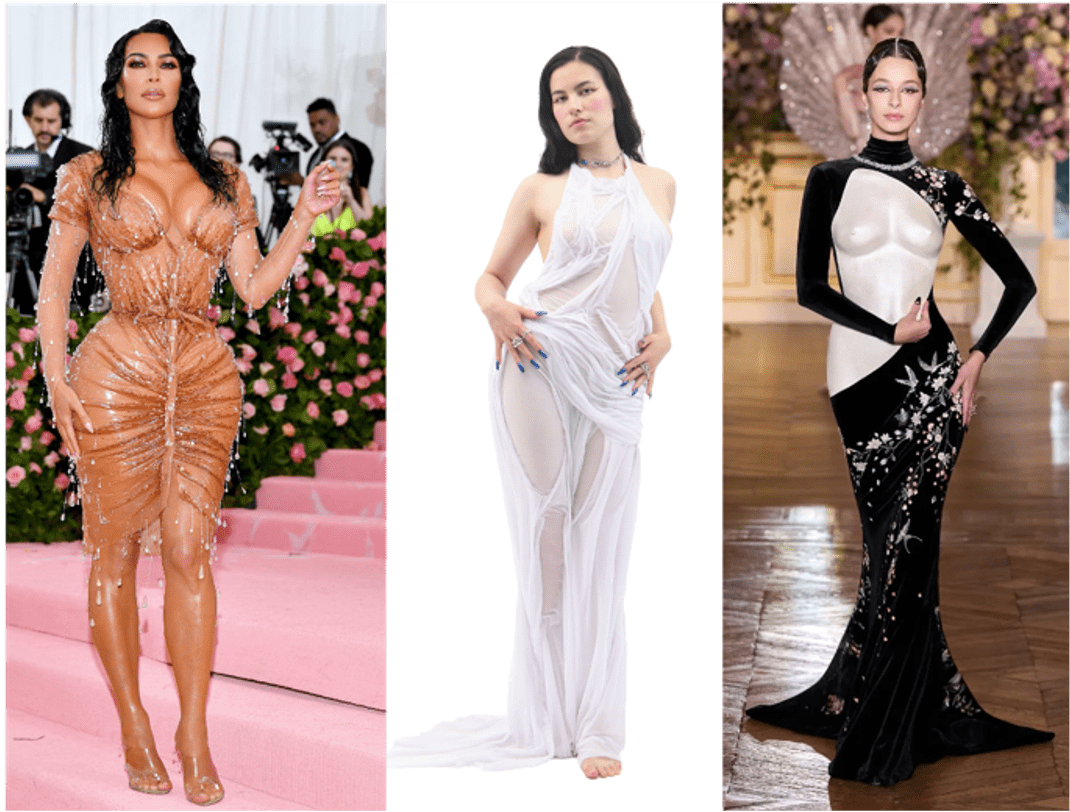
The classical and nude examines idealised form- balance, proportion, harmony. These are bodies shaped by ideals of beauty and permanence.Think marble statuary, wet drapery, suggesting anatomy without revealing it fully. In fashion, this has translated into the nude dress, the illusion of skin, the controlled exposure of form.
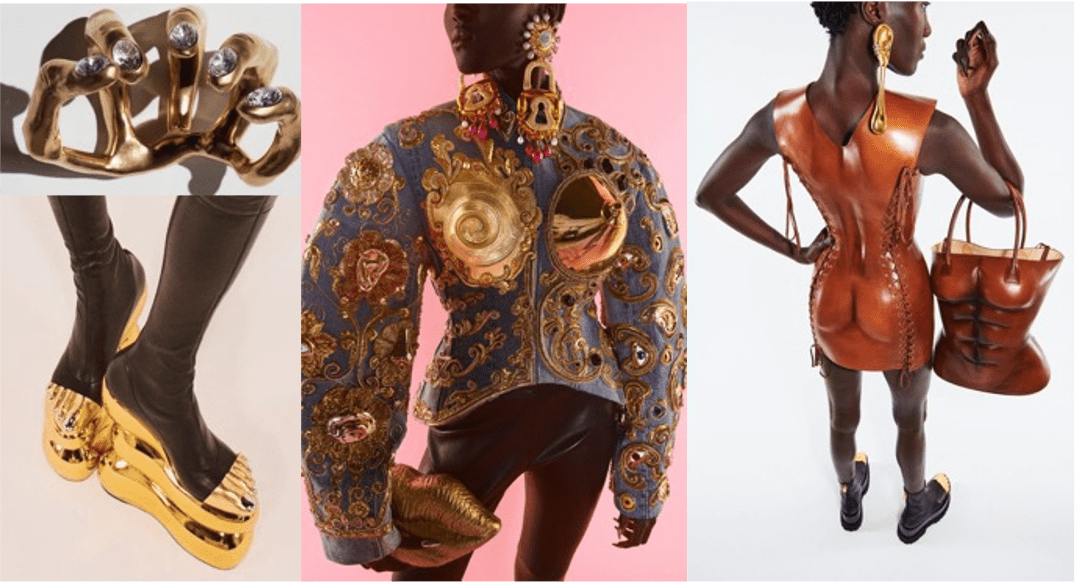
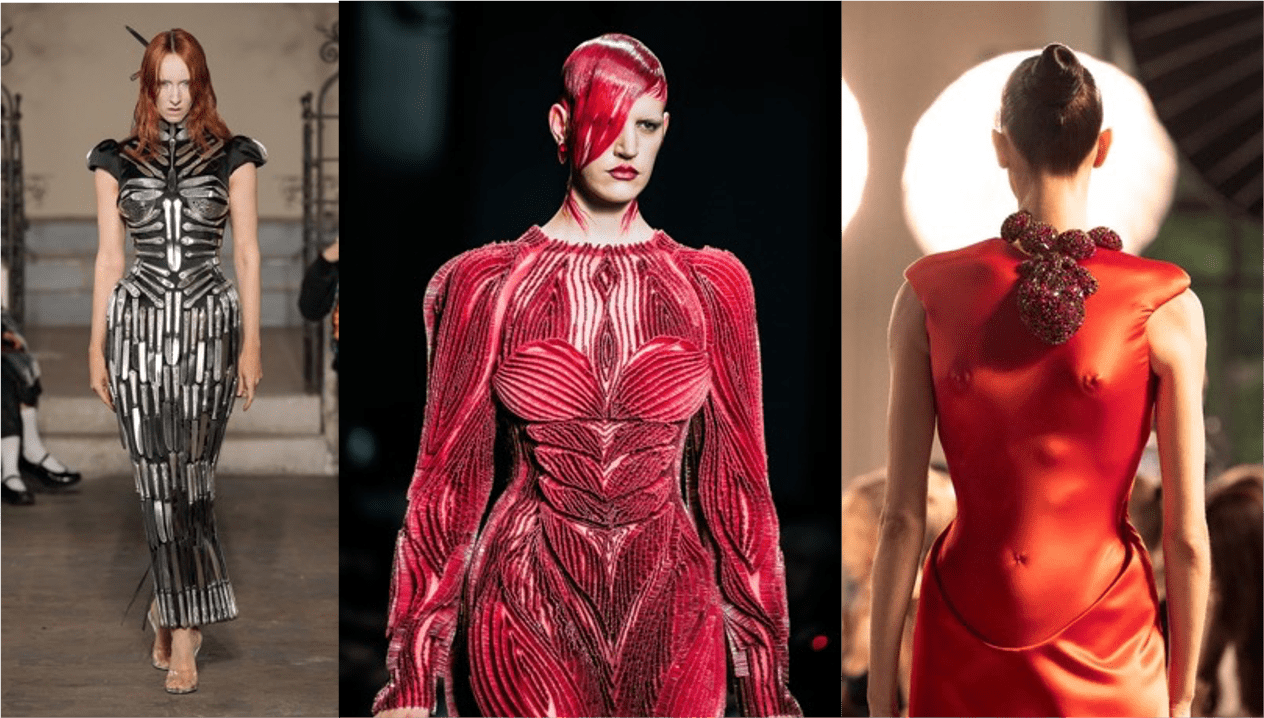
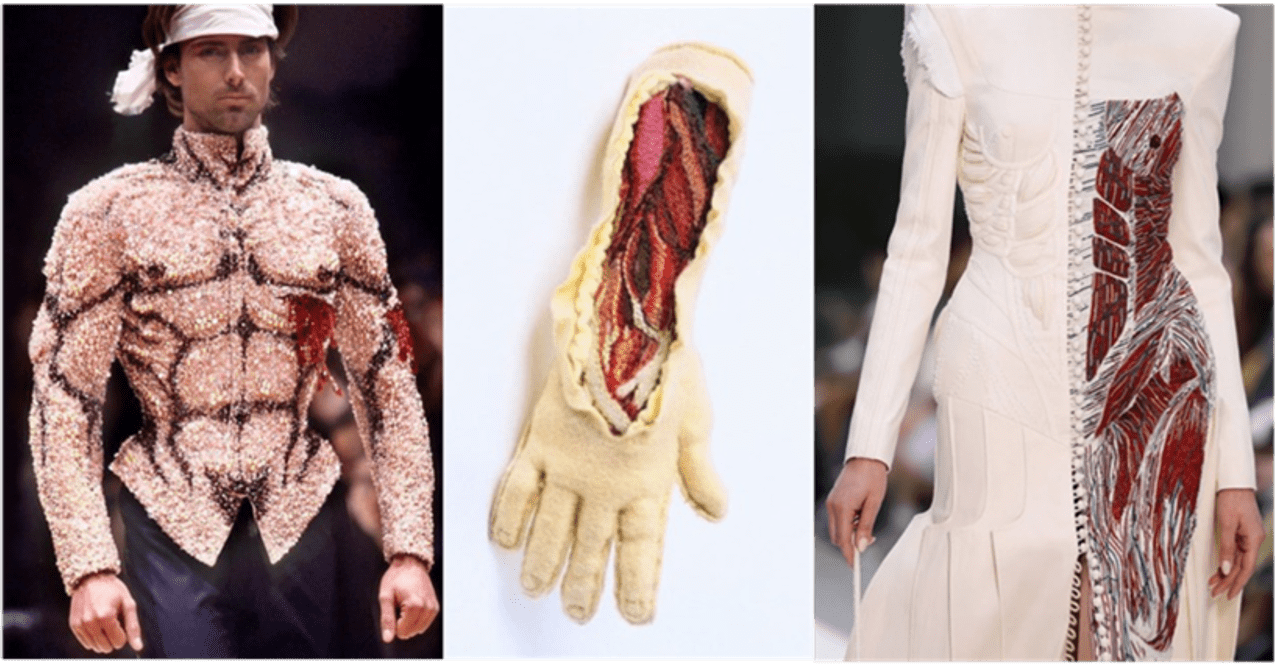
The anatomical shifts the gaze inward. Here, the body is understood as structure- muscle, bone, tension. Garments echo internal systems- a reference to what lies beneath the skin.
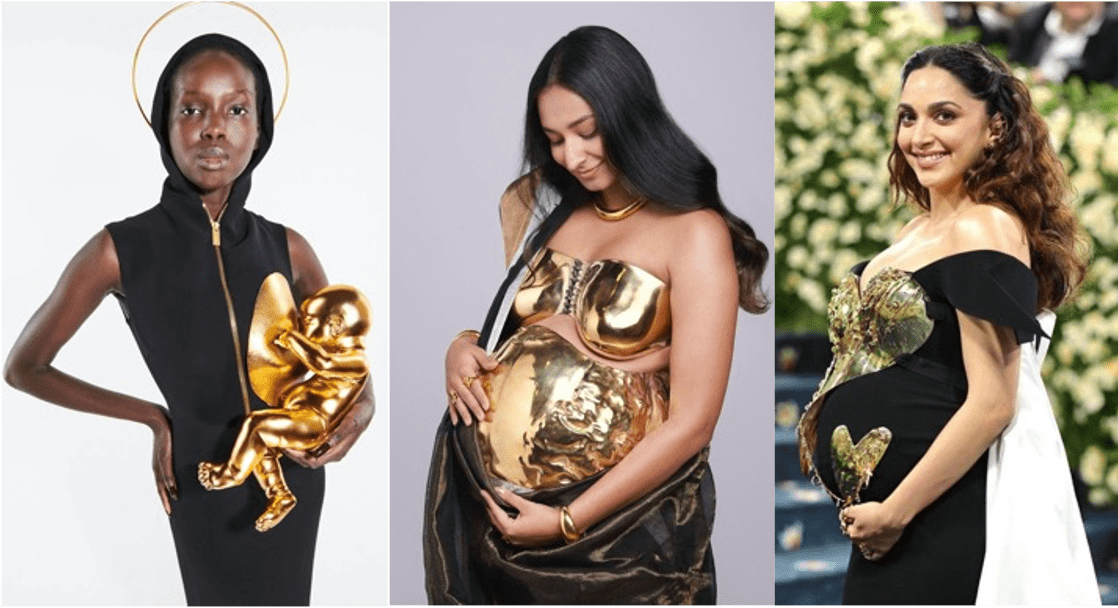
Then there is the underrepresented body– aging, pregnant, altered, historically excluded. This category forces a confrontation, a reconsideration of long-held ideals. A celebration of art, beauty and fashion beyond these narrow standards.
The Exhibition Context
Costume Institute’s annual exhibition, which precedes the MET Gala, is curated by Andrew Bolton. It will examine the dressed human body as a subject in art across more than five thousand years. And trace how garments and artworks have existed in continuous dialogue.
Paintings, sculptures and historical dresses will be presented side by side, to reveal the parallel evolution of human figure in both fashion and fine art.
Mannequins will feature mirrored faces created by artist Samar Hejazi, allowing viewers to see their own reflections. The gesture invites the audience to imagine themselves within the garments, collapsing the distance between object and observer. Thus allowing a more embodied experience of fashion.
Costume, not Cosplay
The theme carries risk. Taken too literally, it slips into theatrical mimicry. Played too safe, it misses the opportunity to interpret it.
Costume Art asks for intent. It resists spectacle for spectacle’s sake. It asks designers to slow down, to think anatomically, historically, culturally, emotionally. And with purpose!
It is about fashion’s ability to communicate and even revolutionize ideas of power, visibility, vulnerability, belonging, protection and so much more.
Industry observers expect designers to draw from art history, fashion archives and sculptural form. With the body being central to it all.
Costume Art repositions fashion where it arguably belongs- not detached from the body- but in constant conversation with it.
About Ricamour Embroideries:
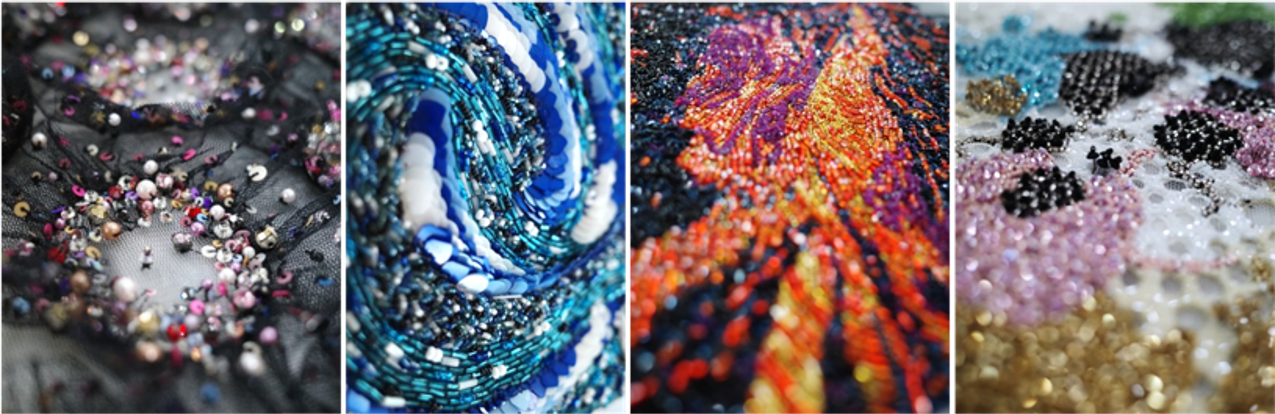
Ricamour Embroideries is a hand-embroidery and design studio based in Mumbai. We work with design houses and ateliers around the world, reimagining embroidery for fashion, interiors and art.
Curious about our work? Explore our archives and designs that our skilled artisans brought to life.
To explore new ideas or custom embroideries, email us at info@ricamour.com or message us on WhatsApp.
PS: Images shown are sourced for visual reference and inspiration. All rights remain with the original creators.